Wake County Property Tax Appeal, North Carolina
 Travis Bunn·Updated July 24, 2026
Wake County is North Carolina's most populous county with approximately 1.26 million residents as of 2025, anchored by Raleigh, the state capital and county seat. The county is part of the Research Triangle region, one of the nation's fastest-growing metropolitan areas known for its strong economy, major universities, and rapidly growing technology sector. With a median home value of approximately $422,800 to $521,600 and an effective property tax rate ranging from 0.68% to 0.71%, Wake County homeowners pay a median annual tax bill of approximately $3,023 to $3,533, significantly above the national median of $2,400. Property tax appeals matter here because values surged 51% between 2020 and 2024, creating financial strain for many homeowners in this booming market where demand for housing substantially exceeds supply.
Notable cities: Raleigh, Cary, Apex, Wake Forest, Garner, Holly Springs, Fuquay-Varina
Median Home
$422,800
Tax Rate
0.71%
Annual Tax
$3,023
Population
1,260,000
On the typical Wake County home, valued near $422,800 at the county’s effective tax rate of 0.71%, an over-assessment of even 10% means you are overpaying year after year until you appeal it. Here is how to find out if yours qualifies.
2026 Appeal Deadline: April 22, 2026 for tax year 2026 (or December 31 for properties with value changes after BOER adjournment)
The Wake County Board of Commissioners establishes the BOER adjournment date annually, typically in early to mid-April. For 2026, the deadline is April 22. If your property value was changed after the BOER adjournment date and you receive a late notice, you have until December 31 to file your appeal. Appeals must be filed before the Board of Equalization and Review adjourns from receiving real estate value appeals.
See if your Wake County home is over-assessed
Free analysis in 30 seconds. If the numbers support a appeal, your complete evidence packet is $49.
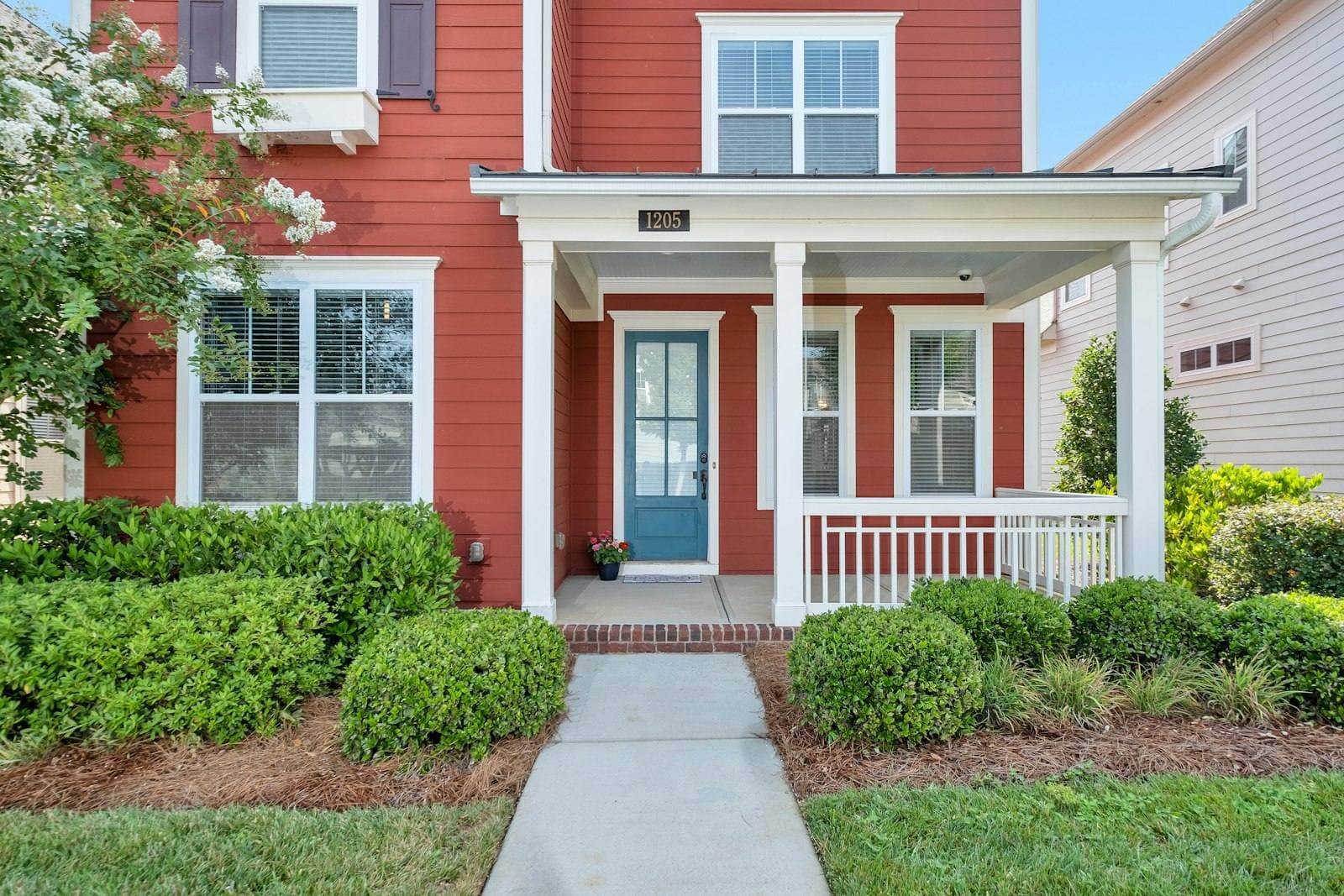
How Wake County Assesses Property
Assessed by: Wake County Department of Tax Administration
Assessment cycle: Transitioning from quadrennial (every 4 years) to biennial (every 2 years). The most recent revaluation was effective January 1, 2024, with the next scheduled for January 1, 2027, and then every two years thereafter starting January 1, 2029.
Notices typically mailed: Mid-January for revaluation years, following Board of Commissioners presentation
Wake County assesses property at 100% of fair market value as of January 1 of the revaluation year. North Carolina uses a 100% assessment ratio, meaning assessed value equals market value without any reduction. For example, if your home's market value is $422,800 (the county median), at North Carolina's 100% assessment ratio your assessed value would be $422,800, resulting in approximately $3,002 in annual taxes at the county's effective rate of 0.71% (calculation: $422,800 ÷ 100 × county rate of 0.5171 plus municipal rates). Property values increased an average of 51% during the 2024 revaluation, prompting the county to shorten the revaluation cycle to reduce future sticker shock.
The Appeal Process
Appeals are heard by the Board of Equalization and Review. BOER hearings are formal proceedings where you present evidence supporting your opinion of property value, and the county appraiser presents their assessment and supporting data. The Board considers both sides and renders a decision based on the weight of evidence. Personal appearance is not mandatory; you can submit written evidence and documentation instead.
Step 1: Review your property assessment notice carefully and gather supporting evidence such as comparable sales data from similar properties in your neighborhood, recent professional appraisals, photographs documenting property condition issues, repair estimates for damage, or documentation of incorrect property characteristics listed in county records.
Step 2: File an informal appeal with Wake County Tax Administration by contacting them at 919-856-5400, through the online Tax Portal at https://services.wake.gov/TaxPortal/, or by mailing a written request. The informal review is handled by county appraisers who will review your evidence and make a determination. Tax Administration typically notifies taxpayers of informal review results by mid-April.
Step 3: If unsatisfied with the informal review results or if you prefer to skip the informal process, file a formal appeal to the Board of Equalization and Review (BOER) before the annual adjournment date (April 22, 2026 for tax year 2026). Use the online portal or submit a written appeal form with your Real Estate ID and access code.
Step 4: Attend your scheduled BOER hearing at the Wake County Commons Building, located at 4011 Carya Drive, Raleigh NC. Personal appearance is not required, you can submit written evidence instead. BOER hearings are scheduled throughout May, June, and July (2026 dates: May 28, June 4, June 11, June 17, and July 15). The Board will consider both your evidence and the county appraiser's opinion before rendering a decision, which is mailed within 30 days.
Step 5: If you remain dissatisfied with the BOER decision, appeal to the North Carolina Property Tax Commission within 30 days of the date the BOER mailed its Notice of Decision. File Form AV-14 (Notice of Appeal and Application for Hearing) with supporting evidence. The Commission meets monthly in Raleigh and conducts formal hearings following North Carolina Rules of Evidence.
Step 6: If disagreement continues and involves a matter of law rather than property value judgment, you may appeal the Property Tax Commission decision to the North Carolina Court of Appeals and potentially to the North Carolina Supreme Court. Legal representation is strongly recommended at this level.
Required form: Online appeal through Wake County Tax Portal or written appeal form (no specific form number required). An access code from your property assessment notice is required to file online.
Filing Methods
Evidence to Bring
Wake County Assessor Contact
Wake County Department of Tax Administration
Phone: 919-856-5400
Address: 301 S. McDowell St., Suite 3800, Raleigh, NC 27601
Website: https://www.wake.gov/departments-government/tax-administration
Online Portal: https://services.wake.gov/TaxPortal/
Hours: Monday-Friday, 8:30 a.m. - 5:00 p.m.
Tax Exemptions in Wake County
Elderly or Disabled Homestead Exclusion
Greater of $25,000 or 50% of appraised valueExcludes from taxation the greater of $25,000 or 50% of the home's appraised value for qualifying seniors and disabled homeowners.
Disabled Veteran Exclusion
$45,000 exclusion from property valueProvides property tax relief for veterans with total and permanent service-connected disability or their unmarried surviving spouses.
Circuit Breaker Tax Deferment
Varies based on income and property valueAllows eligible elderly or disabled homeowners to defer a portion of their property taxes until the property is sold or transferred.
Wake County Appeal Statistics
% Who Appeal
5-7%
Wake County Appeal Packet · $49
Comparable sales evidence, county-specific filing guide, and professional cover letter. Enter your address to get started.
Frequently Asked Questions
What is the deadline to appeal my property taxes in Wake County for 2026?
How do I file a property tax appeal in Wake County online?
What is the homestead exemption worth in Wake County?
What happens at a Board of Equalization and Review hearing in Wake County?
How much can I save by appealing my property taxes in Wake County?
What evidence do I need for a Wake County property tax appeal?
Can I appeal my Wake County property taxes every year?
What is the difference between an informal review and a formal appeal in Wake County?
Official Resources
Wake County Tax Administration Website →
Official county department website with comprehensive information on property taxes, assessments, exemptions, and payment options.
Wake County Tax Portal - File Appeals Online →
Online portal for filing property tax appeals, viewing property records, searching comparable sales, and accessing your assessment information.
North Carolina Property Tax Commission →
State-level commission that hears appeals from county Board of Equalization and Review decisions, with forms and filing instructions.
Wake County Tax Relief Programs →
Information about homestead exclusions, veteran exemptions, circuit breaker deferments, and other property tax relief programs available to qualifying homeowners.
For state-wide appeal information including North Carolina's assessment ratio and deadlines, see our North Carolina Property Tax Appeal Guide →
New to this? Start with our complete property tax assessment appeal guide explaining the general steps from your notice to your hearing. Follow your local filing rules.
Considering professional help with your appeal? Compare pricing, coverage, and pros/cons in our Best Property Tax Appeal Services (2026) or browse side-by-side service comparisons →
Looking for help in North Carolina? Compare North Carolina property tax appeal services →
More North Carolina Counties
Sources: https://services.wake.gov/TaxPortal/ | https://www.wake.gov/departments-government/tax-administration | https://smartasset.com/taxes/wake-county-north-carolina-property-tax-calculator | https://propertytaxrates.org/counties/north-carolina/wake-county/ | https://www.wake.gov/departments-government/tax-administration/tax-bill-help/need-help-paying-your-property-tax-bill
Last verified: 2026-07-24