How to Appeal Your Property Tax in North Carolina
North Carolina homeowners can appeal their property tax assessment if they believe it's too high. This guide covers the 2026 appeal deadline, required evidence, and step-by-step process.
How North Carolina Assesses Property
North Carolina assesses residential property at 100% of market value.
North Carolina assesses property at 100% of market (true) value.
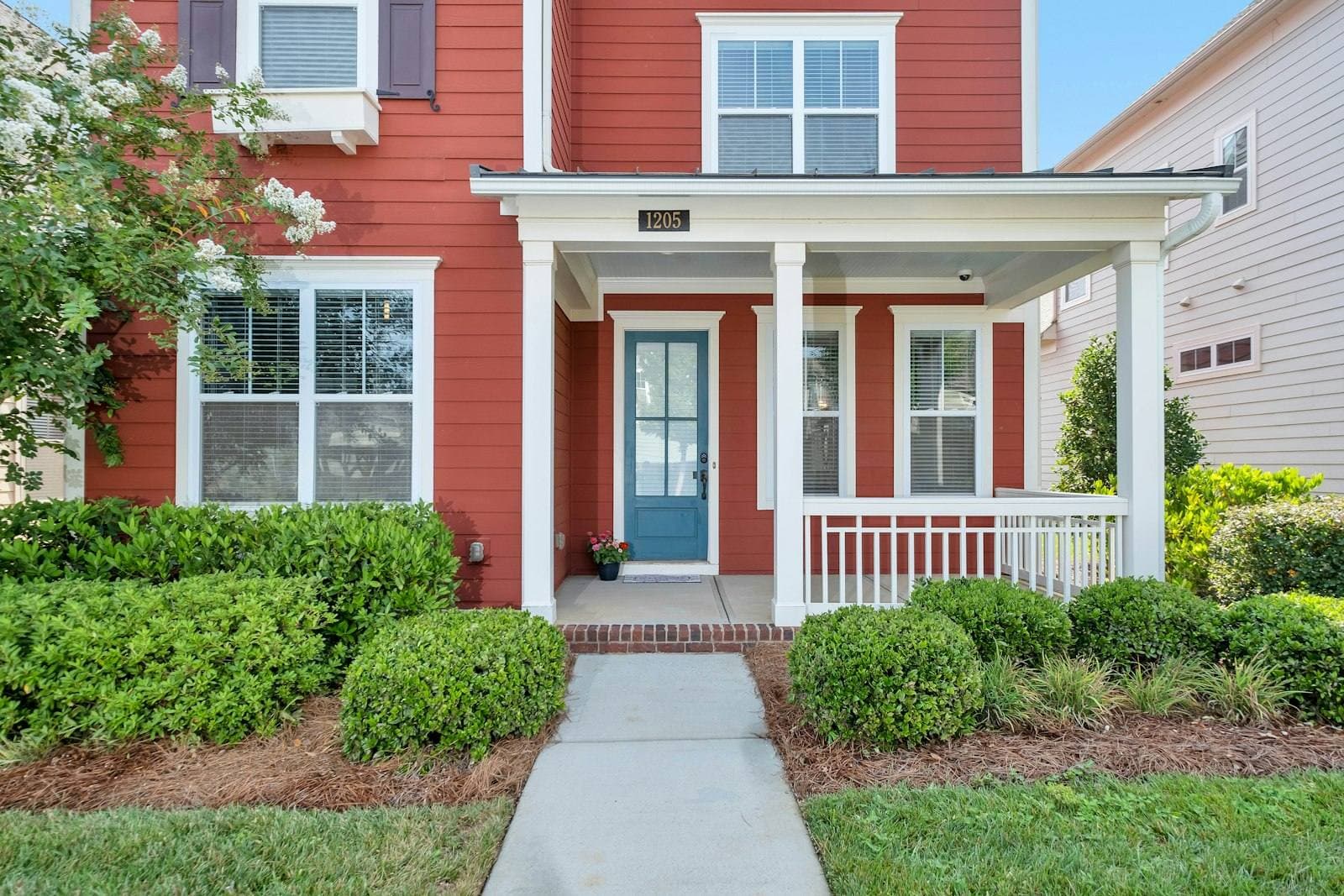
The Appeal Process
Appeals are heard by the Board of Equalization and Review. An informal review is available before filing a formal appeal.
County Assessor (Informal)
Board of Equalization and Review
Property Tax Commission
Court of Appeals
North Carolina Appeal Deadline
Each county's Board of Equalization and Review (BOER) sets its own appeal deadline: the date the Board adjourns (N.C.G.S. 105-322). Boards convene no earlier than the first Monday in April and adjourn no later than required to complete their work, typically in late April or early May. If you received a value-change notice, the deadline is the later of the Board's adjournment date or the 'Last Date to Appeal' printed on your notice.
Deadline is each county's BOER adjournment date, typically late April or early May.
Typical window: April - May
What Overassessment Costs North Carolina Homeowners
The median home in North Carolina is worth $256,000. If your assessment is just 10% too high, you may be overpaying:
~$210/year
Effective tax rate: 0.82% · Median value: $256,000
Check Your North Carolina Assessment
Enter your address to see your estimated overassessment and North Carolina filing deadline.
North Carolina Counties
Buncombe County
Median: $446,500 · Rate: 0.68%
Deadline: May 5, 2026 (or 30 days from notice date)
→ View Guide
Cumberland County
Median: $183,700 · Rate: 0.99%
Deadline: May 20, 2026, at 5:00 PM for formal appeals to the Board of Equalization and Review
→ View Guide
Durham County
Median: $219,640 · Rate: 1.39%
Deadline: June 17, 2026 at 5:00 p.m.
→ View Guide
Forsyth County
Median: $269,700 · Rate: 0.95%
Deadline: June 30, 2026 or within 15 days of your last value notice, whichever is later
→ View Guide
Gaston County
Median: $235,000 · Rate: 0.80%
Deadline: April 25, 2026 at 5:00 p.m. (for 2026 tax year)
→ View Guide
Guilford County
Median: $215,700 · Rate: 0.92%
Deadline: May 15, 2026 at 5:00 p.m. EST
→ View Guide
Mecklenburg County
Median: $362,800 · Rate: 0.79%
Deadline: May 4, 2026
→ View Guide
New Hanover County
Median: $318,100 · Rate: 0.62%
Deadline: May 14, 2026, at 5:00 p.m.
→ View Guide
Union County
Median: $277,400 · Rate: 0.72%
Deadline: For 2027 tax year: Opens January 1, 2027 and closes when the Board of Equalization and Review adjourns (typically early May)
→ View Guide
Wake County
Median: $422,800 · Rate: 0.71%
Deadline: April 22, 2026 for tax year 2026 (or December 31 for properties with value changes after BOER adjournment)
→ View Guide
North Carolina Guides & Resources
📋 Property Tax Appeal Deadlines by State: The Complete 2026 Calendar
Filing windows for all 50 states
📋 How to Appeal Property Taxes in North Carolina: Complete 2026 Guide
Complete guide with deadlines, forms, and step-by-step instructions
📋 How Much Can Property Taxes Increase in North Carolina? 2026 Complete Guide
North Carolina caps, limits, and protections
📅 North Carolina Property Tax Appeal Deadline 2026: Board of E&R in June
North Carolina filing deadlines and process
🏦 North Carolina Will Not Remind You the Board Adjourns Next Week. Your Escrow Account Will Not Either.
North Carolina never gives you one appeal deadline to circle on the calendar, and that same unpredictability is what makes your mortgage servicer's annual escrow analysis such a blunt instrument here.
🔑 The North Carolina Inherited Home Tax Timeline: Nothing Moves at Probate, Everything Moves at the Next Revaluation
North Carolina freezes assessed values between county revaluations, so the tax risk on an inherited home is timing: the next revaluation, a 60-day PUV deadline, and circuit breaker rollbacks.
👤 North Carolina Form AV-9 Routes Three Programs: Elderly Exclusion (Greater of $25K or 50%), Disabled Veteran Full Exclusion, and the Circuit Breaker Deferment
AV-9 routes Elderly Exclusion + DV Exclusion + Circuit Breaker, three statutes, one form
How Do I Appeal My Property Taxes Myself? Complete DIY Guide
Complete step-by-step instructions
Are Property Tax Protest Companies Worth It? Cost vs. Savings Analysis
Contingency fees vs. flat-fee vs. DIY
North Carolina's Homestead Exclusion Isn't for Every Homeowner. It's $25,000 or 50% Off for Seniors and the Disabled.
North Carolina's homestead exclusion isn't for every homeowner. It excludes $25,000 or 50% of appraised value for income-eligible seniors and the disabled.
Property Tax Appeal Resources
Best Appeal Services Compared
7 companies compared, pricing, coverage, and pros/cons for 2026.
2026 Appeal Deadlines
Every state's deadline, filing method, and what happens if you miss it.
Assessment Ratios by State
Every state's assessment percentage, from 4% to 100%, with worked examples.
9 Ways to Lower Your Property Taxes
From homestead exemptions to formal appeals, every method that works.
Savings Calculator
Check if you're overassessed, enter your assessed value to see potential savings.
Flat Fee vs Contingency: Which Saves More?
$49 flat vs 25-50% of savings, see the break-even math at every savings level.
Frequently Asked Questions
How do I appeal my property tax in North Carolina?
When can I appeal my property tax in North Carolina?
What is North Carolina's property tax assessment ratio?
How much can I save by appealing in North Carolina?
What evidence do I need for a North Carolina property tax appeal?
What is the effective property tax rate in North Carolina?
Ready to Appeal Your North Carolina Property Tax?
Enter your address for a free overassessment analysis. If the numbers support a appeal, your complete evidence packet is $49.