St. Clair County Property Tax Appeal, Illinois
 Travis Bunn·Updated July 22, 2026
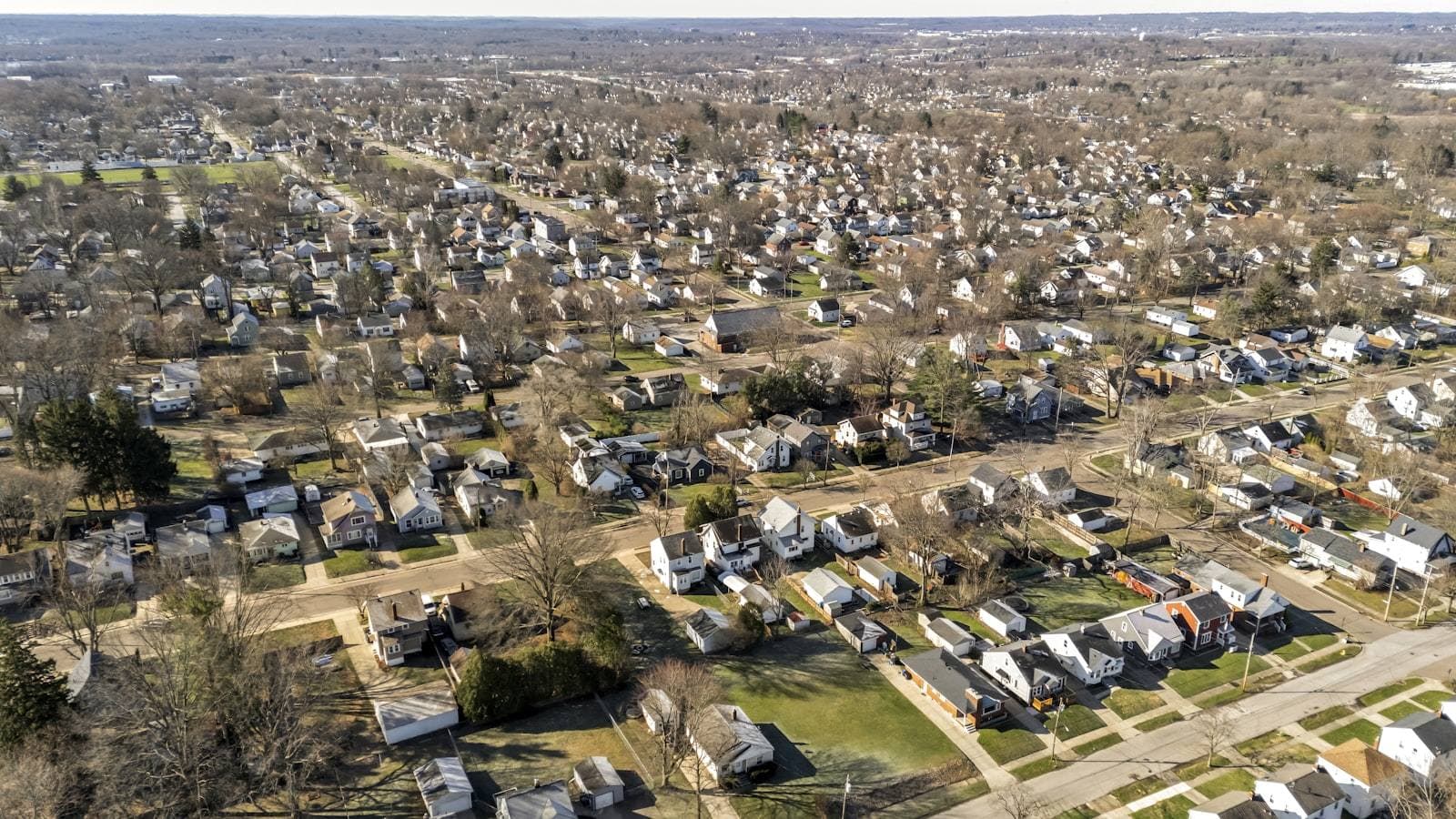
St. Clair County is located in southwestern Illinois, directly east of St. Louis, Missouri, as part of the Metro East region. With a population of approximately 257,400 as of the 2020 census, it is the ninth most populous county in Illinois. The county's median home value of $122,400 is below the Illinois state median of $239,000, yet property tax appeals are particularly important here because the effective tax rate of 1.87% to 2.51% (depending on the source) results in a median annual tax bill of $2,291 to $2,978, which is above the national median of $2,400. The county has approximately 150,000 diverse parcels of land, making assessment accuracy a critical concern for homeowners seeking to avoid overpayment.
Notable cities: Belleville, East St. Louis, O'Fallon, Collinsville, Swansea
Median Home
$122,400
Tax Rate
1.87%
Annual Tax
$2,291
Population
257,400
On the typical St. Clair County home, valued near $122,400 at the county’s effective tax rate of 1.87%, an over-assessment of even 10% means you are overpaying year after year until you appeal it. Here is how to find out if yours qualifies.
2026 Appeal Deadline: 30 days from the date assessment notices are published or mailed
Appeals to the St. Clair County Board of Review must be filed within 30 days after the St. Clair County Assessor publishes revised assessments. Assessment notices are typically mailed in the spring (April-May), and the Board of Review begins accepting appeals shortly thereafter, usually in May or June each year. The exact deadline depends on when your specific assessment notice is published, so it's critical to file promptly upon receiving your notice.
See if your St. Clair County home is over-assessed
Free analysis in 30 seconds. If the numbers support a appeal, your complete evidence packet is $49.
How St. Clair County Assesses Property
Assessed by: St. Clair County Assessor's Office
Assessment cycle: annual
Notices typically mailed: April-May
In St. Clair County, property taxes are based on the assessed value, which is calculated at 33.33% of the property's fair market value as mandated by Illinois law. For example, if your home's market value is $122,400 (the county median), your assessed value would be $40,800 ($122,400 × 0.3333). At the county's effective tax rate of 1.87%, this would result in approximately $2,291 in annual property taxes before exemptions. This assessment ratio is uniform across Illinois for residential properties.
The Appeal Process
Appeals are heard by the Board of Review. The St. Clair County Board of Review conducts hearings in an informal setting where you present your evidence to the three elected board members. You should bring comparable sales data, photographs, and documentation supporting your position. The Board will review your case and issue a written decision, which typically takes several weeks to months to process.
Step 1: Review your assessment notice when it arrives in spring (typically April-May). Check your property record card maintained by the St. Clair County Assessor for accuracy regarding your property's characteristics, square footage, and condition.
Step 2: Verify you are receiving all exemptions for which you qualify, including the General Homestead Exemption (up to $6,000), Senior Citizen Homestead Exemption ($5,000), and any other applicable exemptions.
Step 3: Contact the St. Clair County Assessor's office at 618-825-2704 to review your property record card and attempt an informal resolution. Many assessment issues can be resolved at this stage without a formal appeal.
Step 4: If the informal review doesn't resolve your concern, obtain a Board of Review appeal form by calling 618-825-2490 or visiting the office at 10 Public Square in Belleville. Complete the form with your current assessment, proposed assessment, and detailed justification.
Step 5: Submit your completed appeal form in person or by mail to the Board of Review within 30 days of your assessment notice publication date, along with supporting evidence such as comparable sales data, photographs, and repair estimates.
Step 6: Attend the Board of Review hearing where you present your evidence to the three elected board members. The Board will review your case and issue a written decision, which typically takes several weeks to months to process.
Step 7: If dissatisfied with the Board of Review's decision, you may appeal to the Illinois Property Tax Appeal Board (PTAB) within 30 days of receiving the Board's written decision.
Step 8: As a final option, if the PTAB decision is unfavorable, you may appeal to the Circuit Court, though this requires formal legal proceedings.
Required form: Board of Review Appeal Form (available by calling 618-825-2490 or visiting the office)
Filing Methods
Evidence to Bring
St. Clair County Assessor Contact
St. Clair County Assessor's Office
Phone: 618-825-2704
Address: 10 Public Square, Belleville, IL 62220
Website: https://www.co.st-clair.il.us/departments/assessor
Online Portal: https://stclairil.devnetwedge.com/
Hours: 8:00 AM - 5:00 PM, Monday - Friday
Tax Exemptions in St. Clair County
General Homestead Exemption
Up to $6,000 reduction in equalized assessed valueReduces the equalized assessed value of owner-occupied primary residences
Senior Citizen Homestead Exemption
$5,000 reduction in assessed valueProvides additional property tax relief for seniors
Senior Citizen Assessment Freeze
Assessment frozen at base year valueFreezes the property assessment at its value in the year prior to the initial application
Disabled Veterans' Standard Homestead Exemption
$2,500 for 30-49% disability; $5,000 for 50-69% disability; 100% exemption for 70% or higher disability ratingProvides substantial property tax relief for disabled veterans
Returning Veterans' Homestead Exemption
$5,000 reduction in equalized assessed value for two consecutive yearsOne-time exemption for veterans returning from active duty in armed conflict
Homestead Improvement Exemption
Exemption on increased assessed value from improvements for four yearsFour-year exemption on the increase in assessed value due to improvements
St. Clair County Appeal Packet · $49
Comparable sales evidence, county-specific filing guide, and professional cover letter. Enter your address to get started.
Frequently Asked Questions
What is the deadline to appeal my property taxes in St. Clair County for 2026?
How do I file a property tax appeal with the St. Clair County Board of Review?
What is the homestead exemption worth in St. Clair County?
What happens at a St. Clair County Board of Review hearing?
How much can I save by appealing my property taxes in St. Clair County?
What evidence do I need for a St. Clair County property tax appeal?
Can I file my St. Clair County property tax appeal online in 2026?
What if I disagree with the St. Clair County Board of Review decision on my appeal?
Official Resources
St. Clair County Assessor's Office →
Official county assessor website with exemption forms, property record cards, and assessment information.
St. Clair County Property Tax Inquiry →
Online property search tool to look up your assessment, tax history, and compare property values.
St. Clair County Board of Review →
Board of Review information including appeal forms, hearing schedules, and filing instructions.
Illinois Property Tax Appeal Board (PTAB) →
State-level appeal board for property assessment disputes with online filing system and appeal forms.
For state-wide appeal information including Illinois's assessment ratio and deadlines, see our Illinois Property Tax Appeal Guide →
New to this? Start with our complete property tax assessment appeal guide explaining the general steps from your notice to your hearing. Follow your local filing rules.
Considering professional help with your appeal? Compare pricing, coverage, and pros/cons in our Best Property Tax Appeal Services (2026) or browse side-by-side service comparisons →
Looking for help in Illinois? Compare Illinois property tax appeal services →
More Illinois Counties
Sources: https://www.co.st-clair.il.us/departments/assessor | https://www.co.st-clair.il.us/departments/board-of-review | https://www.tax-rates.org/illinois/st._clair_county_property_tax | https://www.appealdesk.com/appeals/illinois/st-clair | https://www.ptab.illinois.gov/
Last verified: 2026-07-22